



French investigators have called for medical confidentiality to be relaxed for pilots, in the wake of last year's Germanwings disaster.
Co-pilot Andreas Lubitz was urged by a doctor to attend psychiatric hospital weeks before he crashed the plane on 24 March 2015, but his employer was never alerted, their final report says.
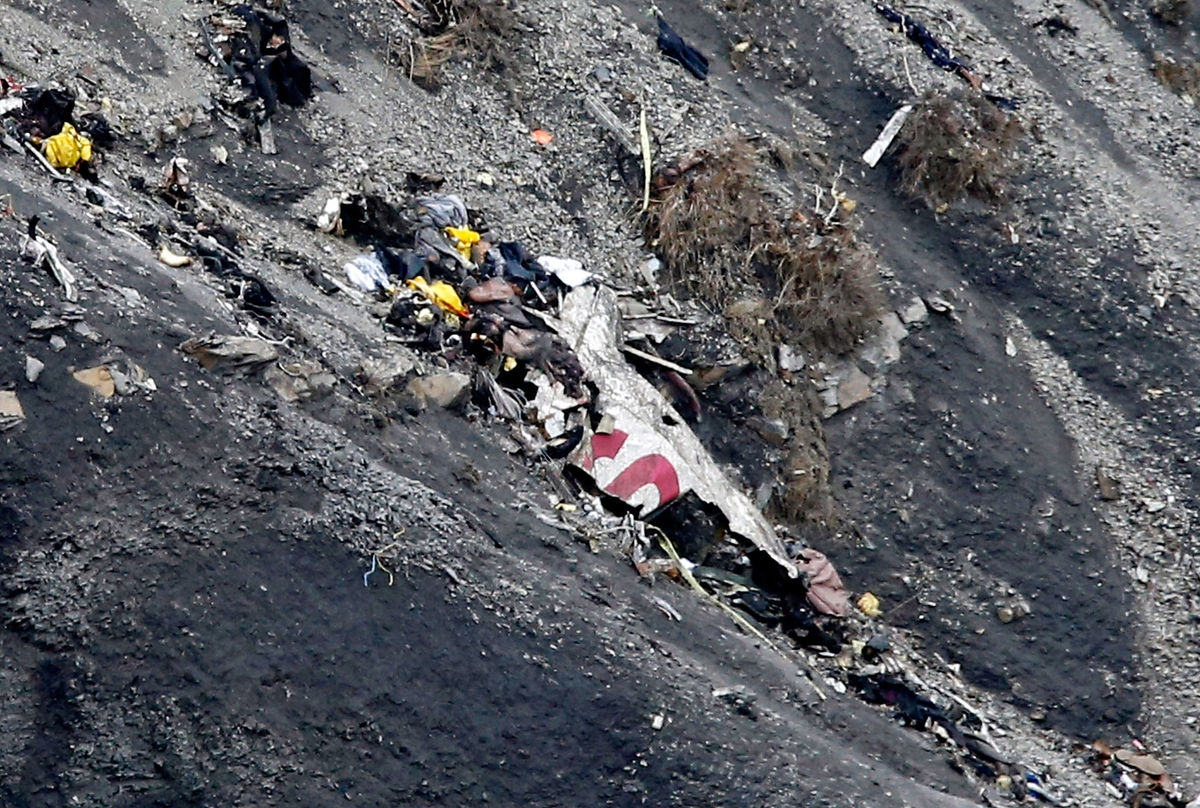
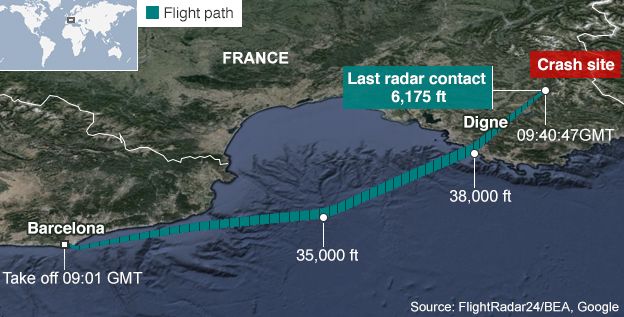
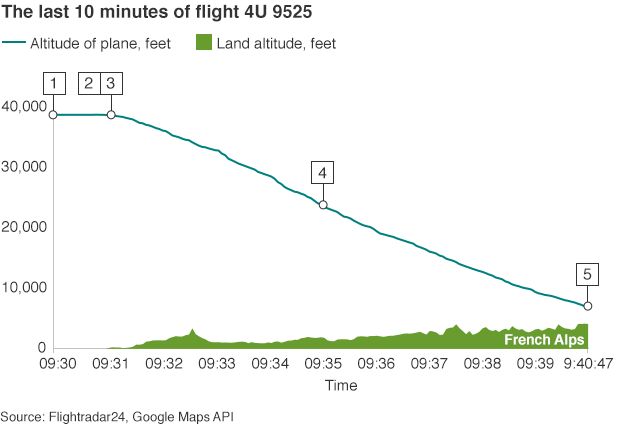
All 150 people on board died as Flight 9525 hit a mountain in the French Alps.
Investigators believe Lubitz brought down the plane deliberately.
He had been suffering from severe depression, they said, but doctors had been unable to disclose this.

Image copyrightVarious
Image captionThe faces of some of those on board the Airbus 320
The report, by the BEA investigation agency, said confidentiality had to be balanced with the risk an individual might pose to public safety and that "clearer rules" were needed.
It was also critical of pilots being able to make self-declarations about their health, which allowed them to hide any illnesses.
A union representing German pilots welcomed the recommendations as a "balanced package of measures", but it said strict rules on data protection needed to be developed in conjunction with criteria for suspending confidentiality rules.
Correspondents say privacy is a highly sensitive issue in Germany, a country which has in the past seen extensive state surveillance, most recently under the Communist regime in the east.
The report points out that strict German laws on protecting confidentiality are balanced by provisions protecting anyone who acts to prevent an immediate danger.
Countries including Canada, Israel and Norway have specific laws on confidentiality for pilots.
Lubitz's medical visits in weeks leading up to crash
The head of the BEA investigation, Arnaud Desjardin, said Lubitz had in December 2014 begun to show symptoms that "could be compatible with a psychotic episode" but this information was not passed on to Germanwings.
The report also calls for more stringent medical checks for pilots - it recommends regular analysis to check for "psychological or psychiatric problems".
But it has not suggested any change to cockpit rules. Lubitz was able to lock the pilot out of the cockpit while he crashed the plane, taking advantage of a system designed to prevent hijackings by attackers elsewhere on board.
"A lockage system cannot be created to prevent threats coming from both outside and inside the cockpit," Mr Desjardin said.
Many airlines now require at least two people to be in the cockpit at any given time.
Both Germanwings and its parent company Lufthansa have previously said that Lubitz, 27, had passed all tests of fitness to fly.
Lufthansa has also acknowledged that it knew the co-pilot had suffered from severe depression in 2009 while training for his pilot's licence.
AERO 2027 will place an even stronger spotlight on the helicopter sector, building on the momentum and success of AERO 2026, organisers Fairnamic announced today. As Europe’s leading trade fair...
EBAA France, the representative body for France’s business aviation ecosystem, brings together aircraft operators, airport activities, aircraft manufacturing, maintenance, and training providers...
HondaJet Classic and APMG operators across the European Union can now access the latest enhancements developed for the HondaJet family following the European Union Aviation Safety Agency’s valid...
Phenix Jet Cayman has added a Bombardier Global 8000 to its managed fleet, successfully completing the aircraft's CAACI registration transfer and entry into service in less than five business days...

