



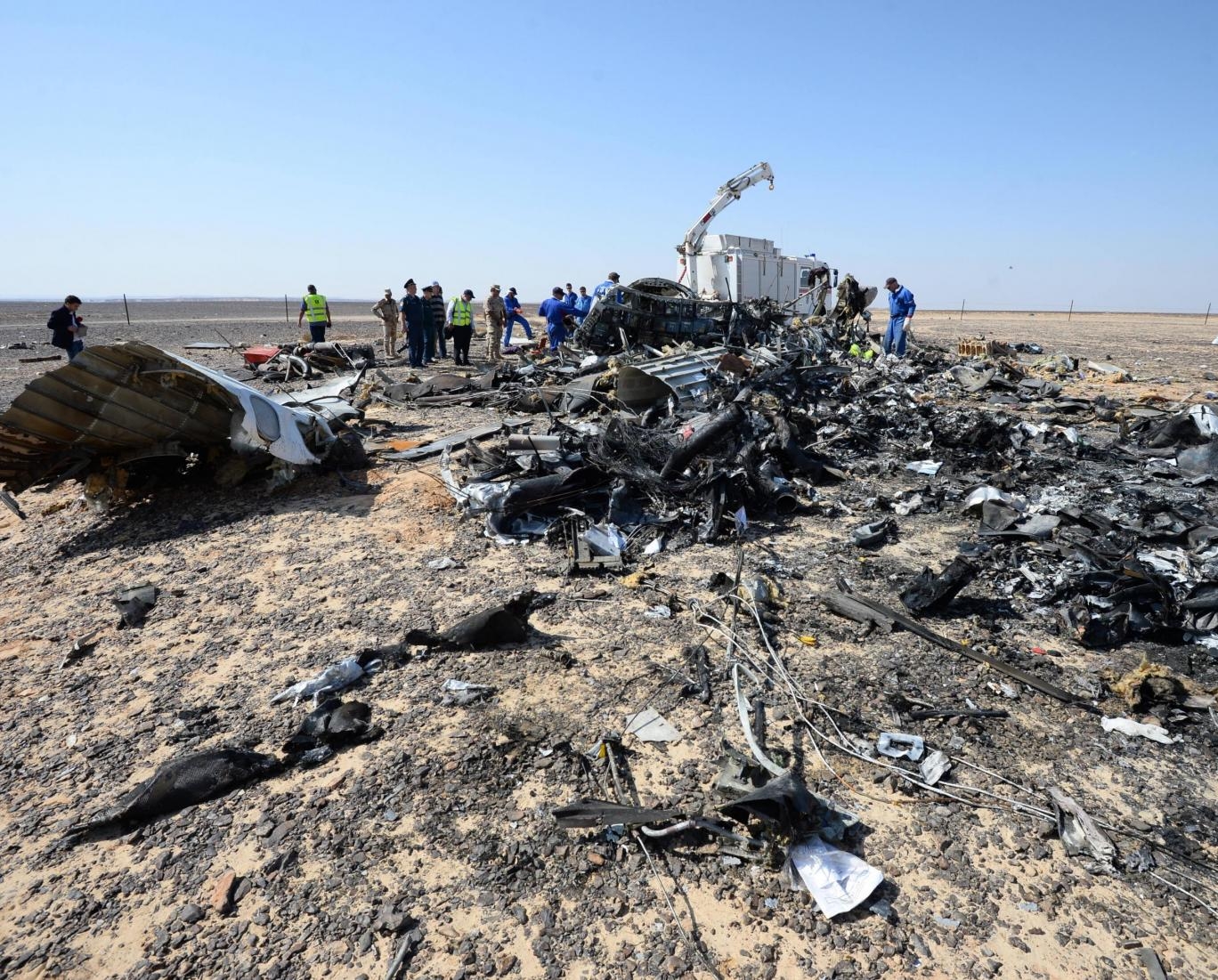
The Russian Airbus A321 plane crash could have occurred because a timed bomb was planted near the aircraft’s fuel line, media reports suggest.
Investigators have uncovered intelligence about a "two-hour timer," although it is not clear whether physical evidence to the effect has been found or the information comes from intercepted terrorist communications, Fox News reports citing an unanimous source.
However, it was not clear whether the lead about the timer came from intercepted communications between known terrorist operatives, or physical evidence, anonymous source identified as familiar with the investigation told Fox News in a report published on Thursday.
A second source, also speaking on condition of anonymity, said investigators were considering a theory that a bomb was placed at or near the fuel line or where it attaches to the engine, with the fuel burning off the explosive.
The report suggested this theory would account for the apparent lack of explosive residue in the wreckage.
The Airbus A321 plane crashed on its way from the Egyptian resort city of Sharm el-Sheikh to the Russian city of St. Petersburg on October 31, about 20 minutes into the flight. All 224 people on board, mostly Russians, were killed.
From Learjets and Challengers to turboprops such as the Pilatus PC-12, different aircraft bring different capabilities to a medical flight. Sebastian Demiet, COO of MTI 24/7, explains why aircraft sel...
Deutsche Aircraft is advancing the next chapter of regional aircraft manufacturing in Europe with the construction of a new production facility at Leipzig/Halle Airport. To support the site's...
Information Design One AG, the Frankfurt-based aviation technology company behind the aFuel platform, has achieved a major operational milestone. During the first half of 2026, aFuel processed 50...
Air Tahiti has received a new ATR 72-600 equipped with ATR’s HighLine All-Business Class cabin, becoming only the second airline worldwide to introduce this premium configuration on an ATR aircr...

