


In the 1960s, when the U.S. Navy decided to expand its advanced technology portfolio to include dynamic, VTOL aircraft, they consulted with a world-renowned company that was currently exploring this innovation – Bell Aerospace.
With our team’s ever-pioneering spirit, Bell was already developing a similar prototype. This aircraft flew with three blade propellers mounted on four wings and showcased vertical and/ or short take-off and landing (V/STOL). During takeoff, the propellers would tilt upwards or at 45 degrees, demonstrating a new type of aircraft movement that could handle short runways. This revolutionary vehicle – the best of its time - was known as the Bell X-22.
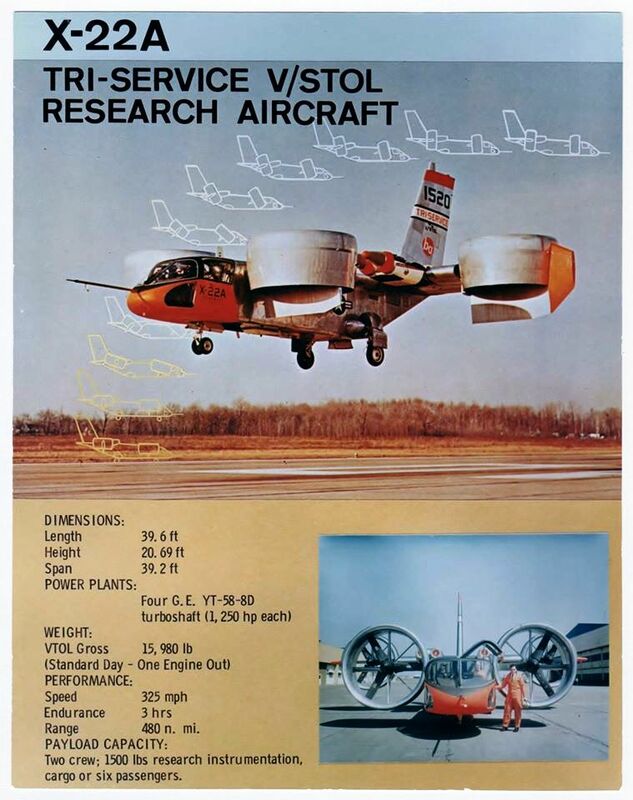
The Bell X-22 model continued successful flights into the 1980s, even though the original program was canceled. It is currently on display at the Niagara Aerospace Museum in New York. As for the technology, its concept lives on through our Bell Nexus 4EX, another vehicle that demonstrates the possibility of duct and propeller technology. Exploring new ways of enhancing vertical take-off and landing aircraft is a journey our teams have embarked on since our very beginning. Today, this mission carries on.
The Tennessee Valley Authority is demonstrating the real-world value of the Tecnam P2012 Special Mission Platform (SMP), which has become a vital tool for monitoring and maintaining its...
The U.S. Federal Aviation Administration has certified the Boeing 737-10, the newest and largest member of the 737 MAX family, paving the way for Boeing [NYSE: BA] to begin customer deliveri...
Gogo has unveiled its long-term vision for the Galileo connectivity platform at NBAA-BACE 2026, outlining a roadmap designed to enhance and protect customer investments well into the mid-2030s and bey...
Textron Aviation has marked a key milestone in the development of the Cessna Citation CJ4 Gen3 with the rollout of the program’s first production aircraft. The achievement brings the next-g...